

Jean's Guide to Wild Foraging
A Guest Essay by Madeleine Dunnigan


I love these guest essays because I get to share stories from voices that make you want to slow down, look around, and maybe learn something unexpected. (Uh, remember the outdoorsy essay?!) What starts with tents, WW2-era gear, and some truly feral camping experiences in the British countryside becomes a beautiful meditation on nature, memory, and how the wild seeps into our stories—sometimes literally, sometimes through the pages of a novel. Madeleine Dunnigan takes us from inner-city London to nettle soup, elderflower cordial, and the plants that shaped her debut novel Jean. Read on, forage responsibly, and please do not confuse parsley with hemlock.
- Jason
Make sure to check out the Gays Reading Instagram for a chance to win a copy of Jean.

About Jean
Set over one hot summer, a startlingly assured debut about the kinds of love that break us and make us whole.
Despite growing up in an inner-city borough in London, my childhood was dominated by the outdoors. Holidays involved a tent strapped to the back of the car: windswept Wales or baking hot France. Every summer, to give my parents a break, I was sent away to camp. Inspired by hippie principles, this camp had no electricity, gas or plumbing. From the ages of eight to eighteen, I spent two weeks in wind, rain or shine sleeping in a tent, cooking over a fire and shitting into a hole. There were no buildings and equipment was old WW2 army surplus gear: think, six-gallon pots, canvas tents, paraffin lamps and axes for chopping wood.
Part of those two weeks were spent on hike, where we trekked across fields and mountains, carrying everything we needed on our backs. It was here I learned that tannin in sheep’s wool is good for blisters; cherry bark is great kindling; and the suppleness of willow branches make them the best shelters. Walking along a remote path, the camp leaders would point out plants and list their properties. Later, we would make nettle soup, or dandelion tea. Even better, were the times we picked something roadside, and enjoyed it then and there, staring out at the undulating green hills before us.
It was these experiences that informed the connection to nature in my debut novel, Jean. The novel is set in a rural, hippie, boarding school for boys with ‘problems’. Jean himself is from London, but summers spent camping with his mother have given him an understanding of wild herbs and flowers. As part of the boys’ final year, they go on a hike; and Jean can identify plants that will soothe, and those that will stimulate the senses. Below is a short guide to what you might find in the UK (and, honestly, parts of North America) in the height of summer, and what you can do with it…
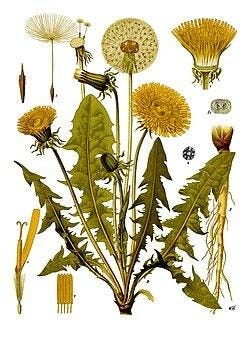
Dandelion
This prodigious ‘weed’ is the bane of a gardener’s life, and yet the forager’s delight. It grows prodigiously everywhere and is easily identifiable with its pop of yellow and jagged leaves. Pick these and eat them fresh in a salad, or dry and brew for tea. Dandelion has wonderful soothing properties, is filled with antioxidants and can promote liver health.
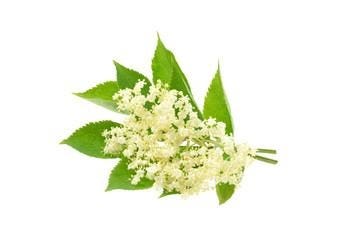
Elderflower/berry
The elegant stature of an elder tree means it can grow in the most unlikely of places; as common along a hedgerow as in a London garden, you’re likely to find one almost anywhere. When the frothy lace flowers are in bloom, pick them and cook them with sugar and lemon juice to make cordial; or brew them to make elderflower champagne. Similarly, the berries make delicious syrup and wine. Elderflower and elderberries are brilliant for fighting inflammation, reduce stress and help your heart. The leaves can be dried and used to repel moths and other pesky bugs.
St John’s Wort
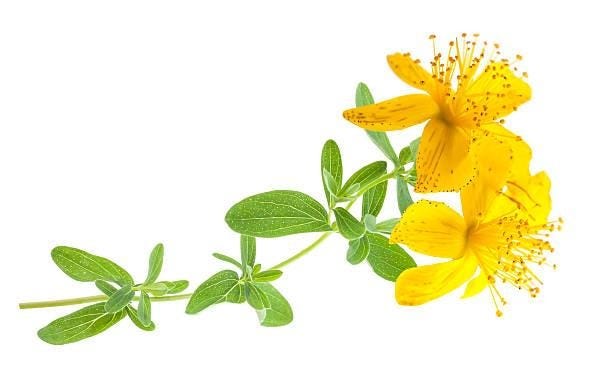
This can be tricky to identify because of its similarities to the non-edible ragwort, but crushing the golden flowers between fingertips should reveal the tell-tale crimson oil. St John’s Wort is good for bruises and bumps: make a poultice with the flowers and spread over sore skin and blisters. Or dry the flowers and make a tea, long celebrated for its mood-boosting properties.
Three Cornered Leek
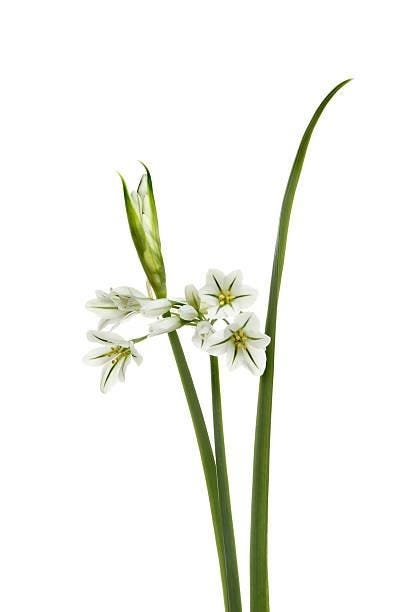
From spring through to summer three cornered leek borders hedgerows and encroaches on paths and roads across the UK. As wild garlic’s lesser-known cousin, it is often overlooked and ignored, but this slender stem and bell-like flower is packed full of flavour. It is part of the allium family, and tastes somewhere between garlic and chives. Named after its peculiarly folded stem, it’s easy to identify and makes a punchy addition to any salad. Or try it in scrambled eggs!
Wild Parsley
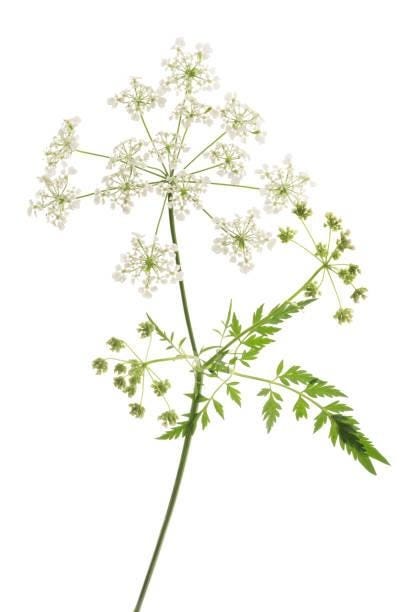
Wild parsley or cow parsley is not for the novices. It looks almost identical to hemlock, making this gentle herb a potentially extremely dangerous mistake… I would suggest admiring the delicate flowers and feathered leaves, rather than picking anything!

Madeleine Dunnigan was a Jill Davis Fellow in the MFA program at New York University. While there she was awarded a Global Reporting Initiative Fellowship in Paris. She lives in London, where she was born and raised.
 | A guest post by
|